
Key Takeaway
Orofacial myofunctional therapy improved craniofacial function or morphology in most of the 693 children studied, with effects increasing with longer treatment duration and better compliance.
Summary
This systematic review examined the effects of orofacial myofunctional therapy (OMT) on craniomaxillofacial growth in children with obstructive sleep apnea hypopnea syndrome (OSAHS). OMT is a neuromuscular re-education method considered an auxiliary treatment for OSAHS and orthodontic care.
Following PRISMA guidelines, researchers screened 1,776 articles, reviewed 146 full texts, and included 9 studies in the qualitative analysis, covering 693 children total. Bias assessment found 3 studies at severe risk and 5 at moderate risk.
Improvement in craniofacial function or morphology was observed in most of the 693 children across included studies. Therapeutic benefits increased with intervention duration and improved patient compliance, supporting the principle that sustained oral posture correction can influence facial development in children.
Methods
Systematic review following PRISMA guidelines. Screened 1,776 articles, reviewed 146 full texts, and included 9 studies in qualitative analysis. Assessed bias risk using ROBINS-I instrument. Total sample of 693 children across included studies.
Key Results
- 9 studies included covering 693 children
- Improvement in craniofacial function or morphology observed in most children
- Benefits increased with longer treatment duration
- Better patient compliance associated with better outcomes
- 3 studies rated severe risk of bias, 5 studies moderate risk
Figures
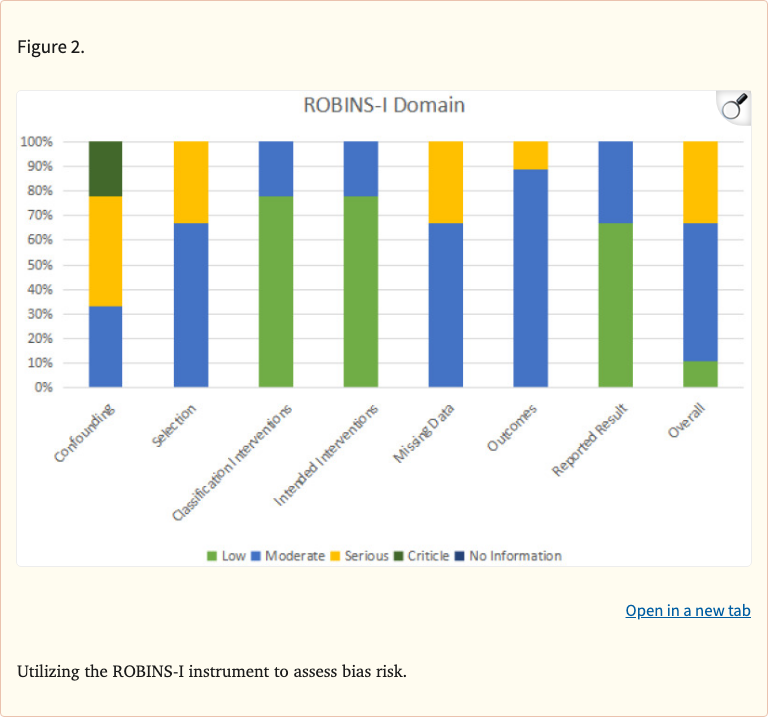 Figure 1
Limitations
- No quantitative meta-analysis performed (qualitative synthesis only)
- Most included studies had moderate to severe risk of bias
- Heterogeneity in OMT protocols and outcome measures
- Limited to children with OSAHS, may not generalize to healthy populations
- Specific numerical outcome data not consistently reported across studies