
Key Takeaway
Qigong significantly improves anxiety, depression, sleep quality, and lung function in college students.
Summary
This systematic review and meta-analysis examined the effects of qigong exercise on the physical and mental health of college students. The authors searched multiple databases including PubMed, Embase, and the Cochrane Library for randomized controlled trials comparing qigong to control conditions in college-aged populations.
The meta-analysis included studies assessing both mental health outcomes (anxiety, depression, sleep quality) and physical health markers (lung function, body composition). Results showed that qigong practice led to statistically significant improvements in anxiety and depression scores, as well as improvements in sleep quality among college students.
Physical health outcomes also showed positive effects, particularly for lung function parameters. The authors noted that qigong represents a low-cost, accessible mind-body intervention that could be particularly well-suited for college settings where students face high levels of academic stress and mental health challenges.
Figures
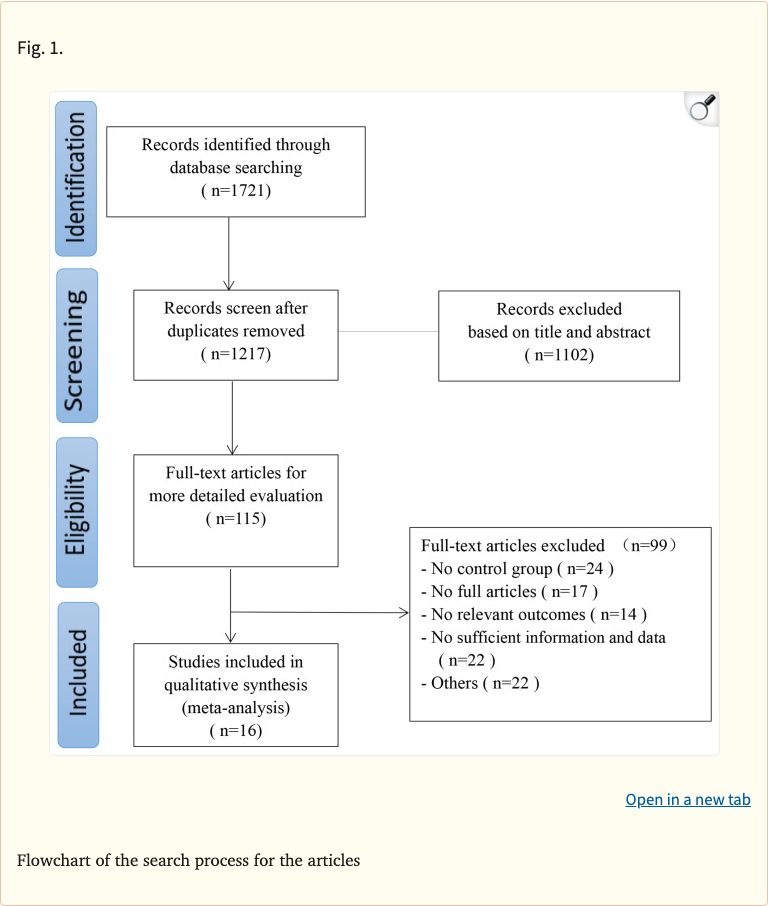 Figure 1
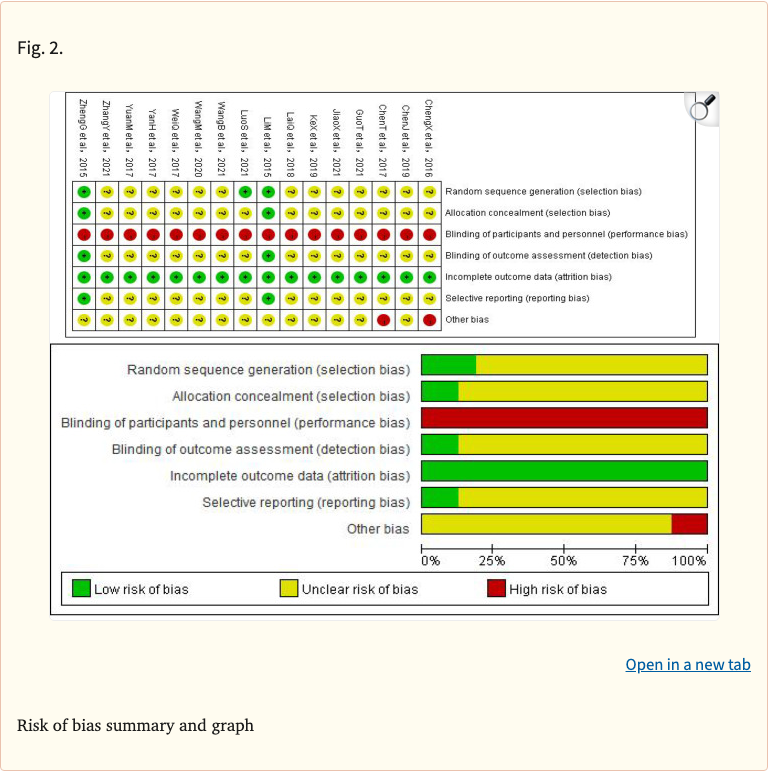 Figure 2
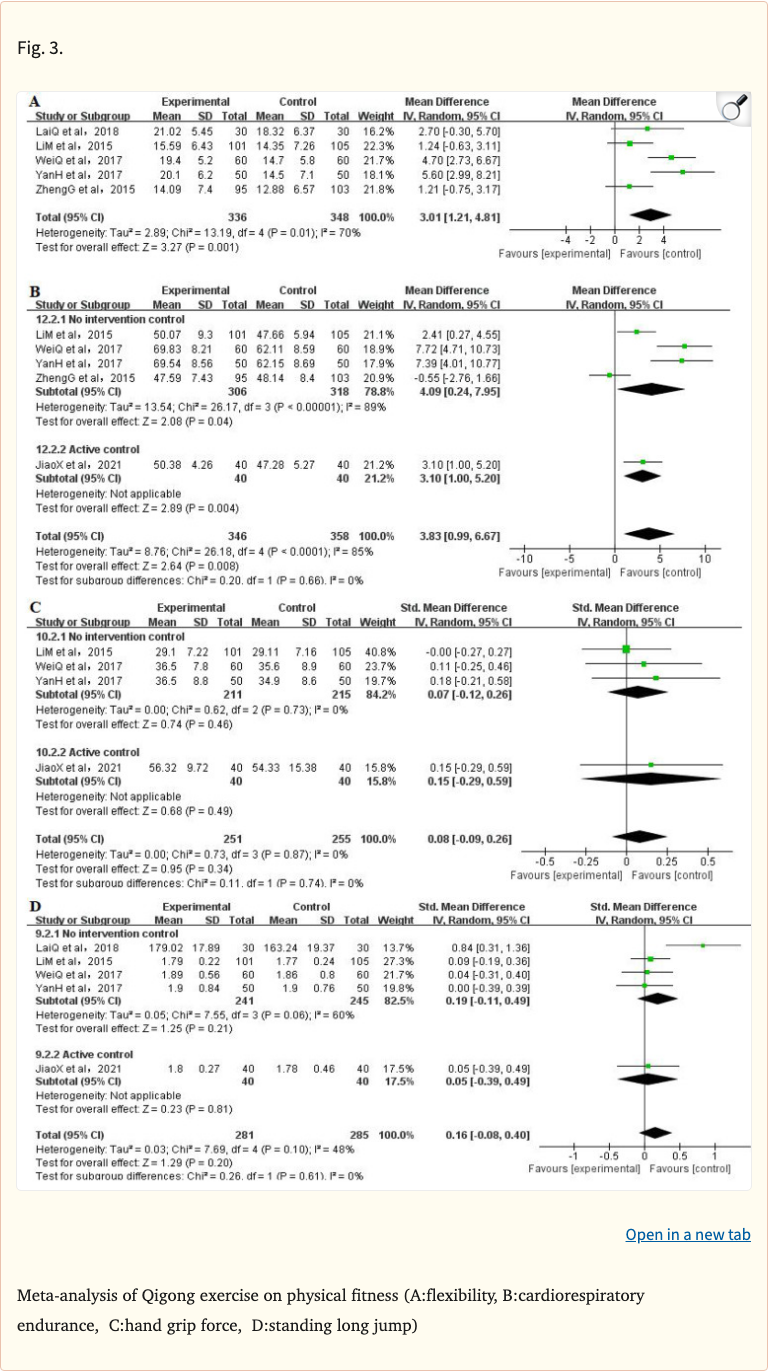 Figure 3
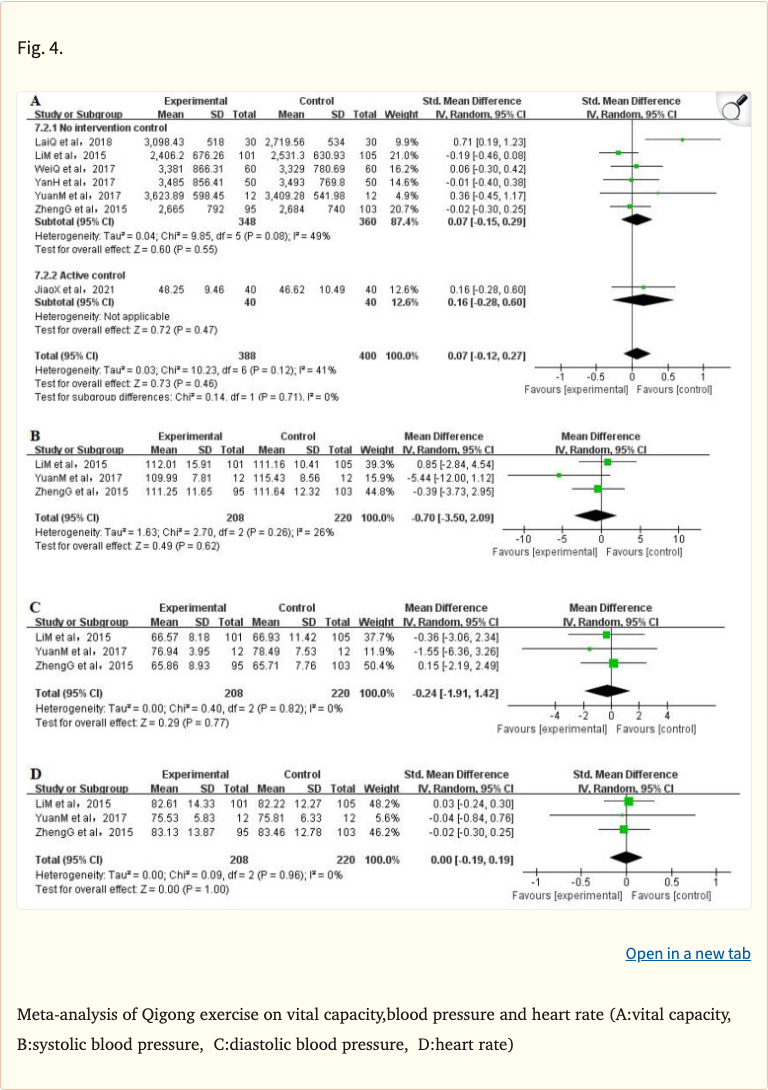 Figure 4
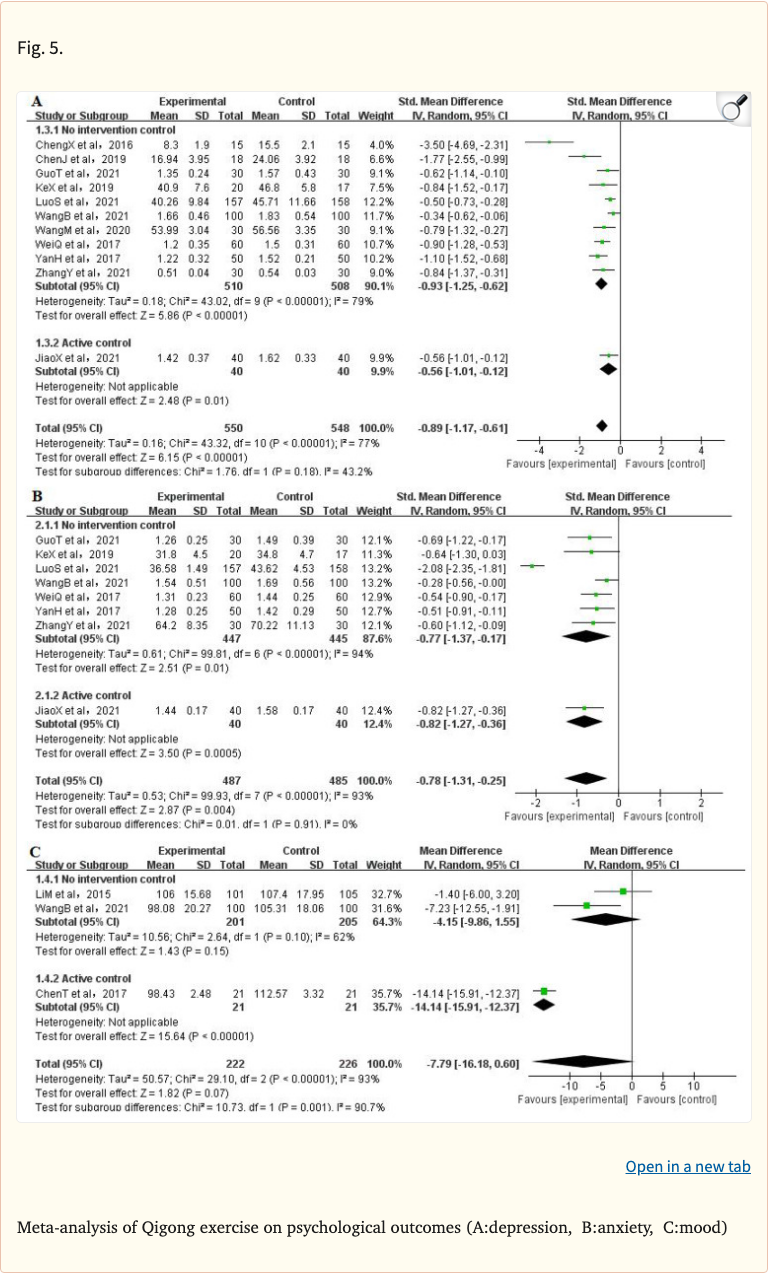 Figure 5