


HRV Training
Episodes covering hrv training — protocols, research, and expert discussions.
Using heart rate variability biofeedback to train your nervous system and monitoring daily HRV to optimize recovery and training decisions
HRV training gives you a window into your autonomic nervous system - something normally invisible. The active component (resonance breathing at your personal frequency) trains your nervous system to shift between stress and recovery states more efficiently. The passive component (morning HRV tracking) tells you whether your body is recovered and ready to push hard, or needs an easy day.
Start with morning HRV tracking to establish your baseline and learn your patterns. Add resonance breathing sessions (5-10 min/day) to actively improve your HRV over time. The combination of "train it" and "track it" creates a feedback loop most people find motivating. Don't obsess over daily numbers - look at 7-day trends.
Science & Mechanisms
Mechanisms:
- HRV measures variation in time between heartbeats - controlled by autonomic nervous system
- Higher HRV generally indicates parasympathetic (rest/recovery) dominance and adaptability
- Lower HRV indicates sympathetic (stress/fight-or-flight) dominance or fatigue
- Resonance breathing (typically 4.5-7 breaths/min) maximizes respiratory sinus arrhythmia
- Regular biofeedback training strengthens vagal tone over time
Key concepts:
- Resonance frequency - your personal optimal breathing rate where HRV amplifies (usually 5-6 breaths/min)
- Coherence - state where heart rhythm, breathing, and blood pressure sync up
- rMSSD - common HRV metric for recovery; measures parasympathetic activity
- Morning readiness - HRV measured upon waking reflects overnight recovery
- Baseline vs daily - individual trends matter more than absolute numbers
Evidence base:
- Meta-analyses show HRV biofeedback reduces stress, anxiety, and depression symptoms
- Resonance frequency breathing improves athletic recovery and emotional regulation
- Morning HRV tracking validated for guiding training load in athletes
- Studies show 4-10 weeks of training needed for lasting HRV improvements
- Mixed evidence on whether higher HRV directly causes better outcomes vs. reflects them
Limitations:
- Individual baselines vary hugely - comparisons between people meaningless
- Many factors affect HRV (alcohol, sleep, illness, hydration, time of measurement)
- Consumer devices less accurate than research-grade equipment
- "Readiness scores" are proprietary algorithms, not pure HRV
Episodes
Gary Brecka breaks down heart rate variability (HRV)—what it is, why it matters, and how to improve it. Your heart doesn't beat like a metronome; the variation in time between h...
Dr. Navaz Habib ('The Vagus Nerve Doc') and JP Errico discuss the bidirectional connection between the vagus nerve and immune system. The episode examines how immune cells throu...
Dr. Andy Galpin explains how to increase control over your nervous system for long-term physiological resilience and adaptability, going beyond basic stress management to explor...
Dr. Jay Wiles, a clinical psychophysiologist who has worked with HRV biofeedback for over 15 years, joins Chris Williamson for a deep dive into heart rate variability. Wiles exp...
Prof. Malcolm Findlay joins ZOE Science & Nutrition to discuss hrv vs. vo2 max vs. ecg: which wearable metric actually matters? | prof. malcolm findlay. Key topics include nutri...
Dr. Leah Lagos, clinical psychologist and HRV performance coach, shares decades of experience optimizing HRV for world-class performers. Heart Rate Variability is one of the mos...
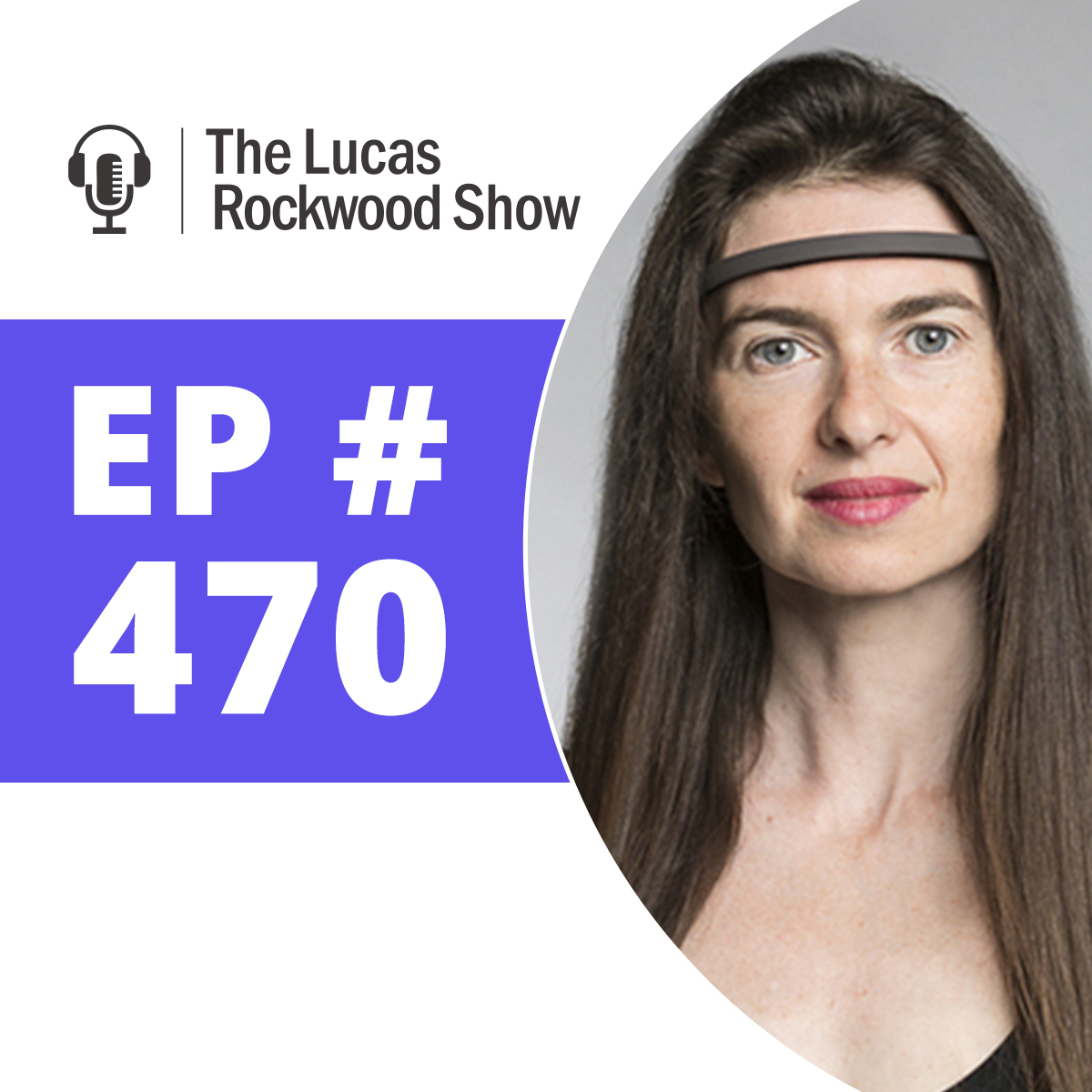
Neuroscientist and Muse co-founder Ariel Garten joins Lucas Rockwood to explain how consumer-grade EEG headbands can provide real-time neurofeedback during meditation. Garten de...

The physiological sigh (double inhale, long exhale) is the fastest way to calm down. Nasal breathing should be your default, and building CO2 tolerance reduces baseline anxiety....

Practical protocols for nutrition timing, supplement stacking, and recovery optimization that work for both performance and longevity. Covers whether fasted cardio actually matt...
Andrew Huberman explores the vagus nerve and its role in regulating mood, alertness, and nervous system function. The episode covers practical techniques for vagus nerve stimula...
Your brain rewires based on what you repeatedly expose it to - use this deliberately. AI tools can accelerate skill acquisition but risk creating "cognitive debt" if you outsour...

Dr. Dan Sickler hosts Dr. Andrew Hill, founder of Peak Brain Institute and PhD in cognitive neuroscience from UCLA, for a deep dive into neurofeedback as a performance and welln...

Dr. Kevin Tracey, pioneer of vagus nerve research and author of "The Great Nerve," separates credible vagus nerve science from bogus claims. Explores how to harness the vagus ne...
Dr. Andy Galpin explains how to avoid fitness plateaus, overtraining, and mis-timed periodization. Covers training program design for continuous progress.
Dave Asprey explores the hidden gut health costs of GLP-1 drugs like Ozempic, covering how they slow gut transit time, increase fermentation and inflammation, and can leave your...