



Ancient Chinese martial art using slow, flowing movements for balance, fall prevention, stress reduction, and overall health, particularly beneficial for older adults
Tai Chi is one of the most well-researched mind-body practices, with strong evidence across multiple health outcomes. Cochrane reviews and major RCTs consistently show significant benefits.
Strongest evidence:
- Fall prevention: 20-50% reduction in falls in older adults (multiple Cochrane reviews)
- Parkinson's disease: Improves balance, gait, and motor function
- Cardiovascular: Reduces blood pressure comparable to aerobic exercise
- Arthritis: Reduces pain and improves function
What makes Tai Chi unique:
- Low impact, accessible to nearly everyone
- Combines physical movement with meditation
- Can be practiced into very old age
- Social component when done in groups
A-level evidence for balance and fall prevention, particularly in adults 60+. Also valuable for stress, cardiovascular health, and chronic pain. One of the safest and most accessible longevity practices.
Science & Mechanisms
Mechanisms:
Balance & Proprioception:
- Slow weight shifting trains vestibular system
- Single-leg stances build proprioception
- Continuous movement patterns improve coordination
- Postural control enhanced through practice
Neuromuscular:
- Strengthens stabilizer muscles
- Improves reaction time to perturbations
- Enhances motor control and body awareness
- Maintains muscle function in aging
Cardiovascular:
- Moderate aerobic component
- Blood pressure reduction (5-10 mmHg systolic)
- Improved endothelial function
- Reduced arterial stiffness
Neurological:
- Increases brain gray matter volume
- Improves cognitive function in elderly
- Enhances neuroplasticity
- May slow cognitive decline
Key Research:
Fall Prevention (Cochrane 2019):
- 10 trials, 2,622 participants
- Rate of falls reduced by 19%
- Risk of falling reduced by 20%
- Most effective with 12+ weeks practice
Cardiovascular (2017 Meta-analysis):
- 35 RCTs analyzed
- Systolic BP: -9.12 mmHg
- Diastolic BP: -4.64 mmHg
- Comparable to conventional exercise
Parkinson's Disease (2021 Review):
- Significant improvements in motor function
- Better balance and gait
- Reduced fear of falling
- Improved quality of life
Episodes
High-intensity exercise at 80-85% max heart rate, 3x weekly, may slow Parkinson's progression by promoting neuroplasticity. Skill-based activities like boxing, tai chi, and tang...
A comedy podcast episode where co-host Elizabeth shares her experience taking her son to a tai chi class that turned out to have cult-like qualities. While the tai chi movements...
A documentary-style episode from The Kitchen Sisters exploring Lou Reed's deep, transformative relationship with tai chi. The episode draws from interviews with nearly 100 peopl...
Tai chi instructor Tish Oakley joins the Holistic Counseling Podcast to discuss how tai chi builds new cognitive patterns, unravels unhealthy energetic patterns, and reestablish...
Registered dietitian Leyla Muden reviews the growing body of research confirming tai chi's diverse health benefits, drawing on findings from Integrative Practitioner and the Har...
Dr. Michael Mosley explores the science behind tai chi, an ancient Chinese martial art often called meditation in motion. He speaks with Dr. Parko Hsu from the University of Hon...
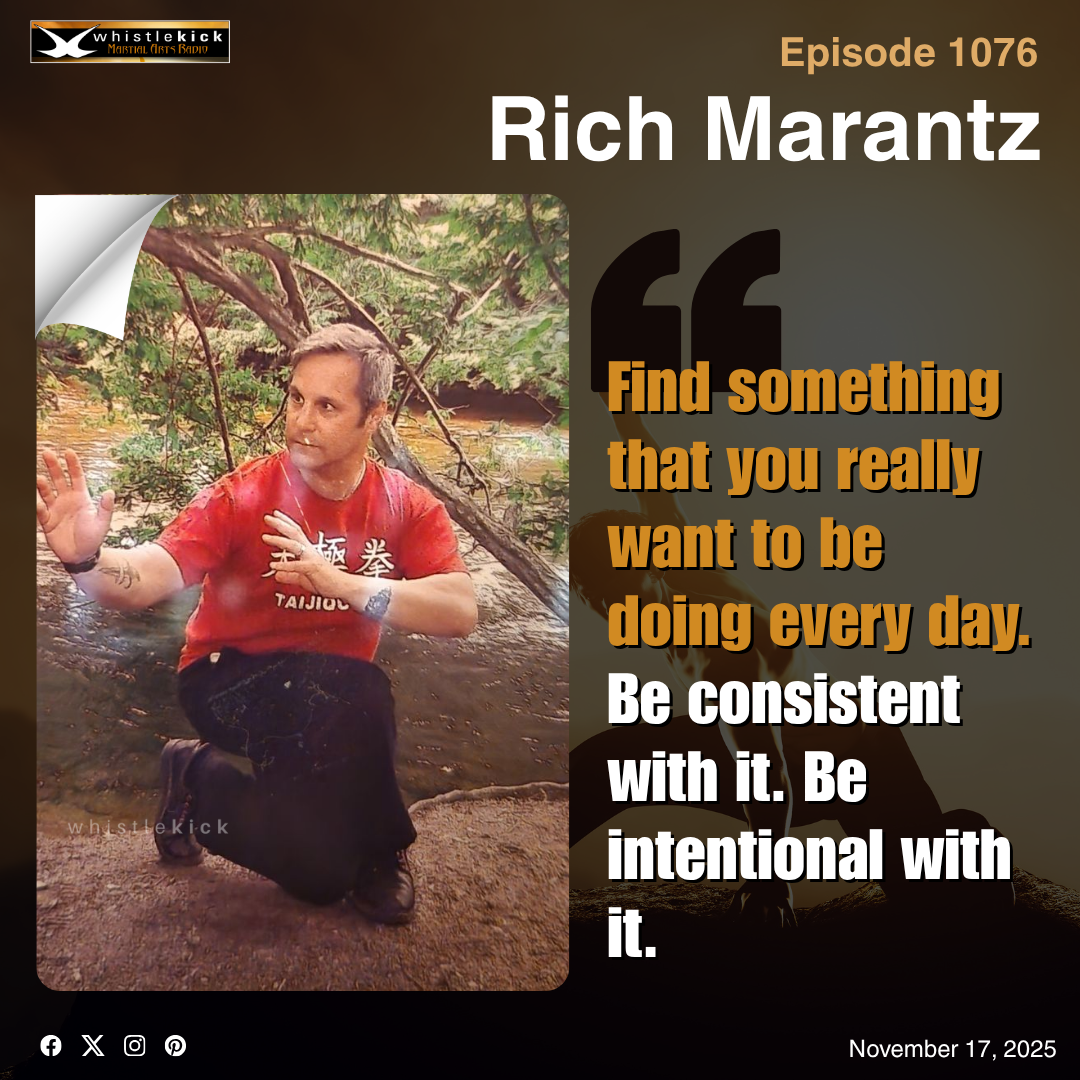
Rich Marantz, a martial artist, healer, and tai chi practitioner based in Vermont, shares his lifelong journey with tai chi and internal martial arts. After discovering tai chi ...

A comedy podcast episode featuring Ronny Chieng (The Daily Show) and Bobby Lee where the conversation briefly touches on tai chi during a wider-ranging discussion about martial ...