Summary
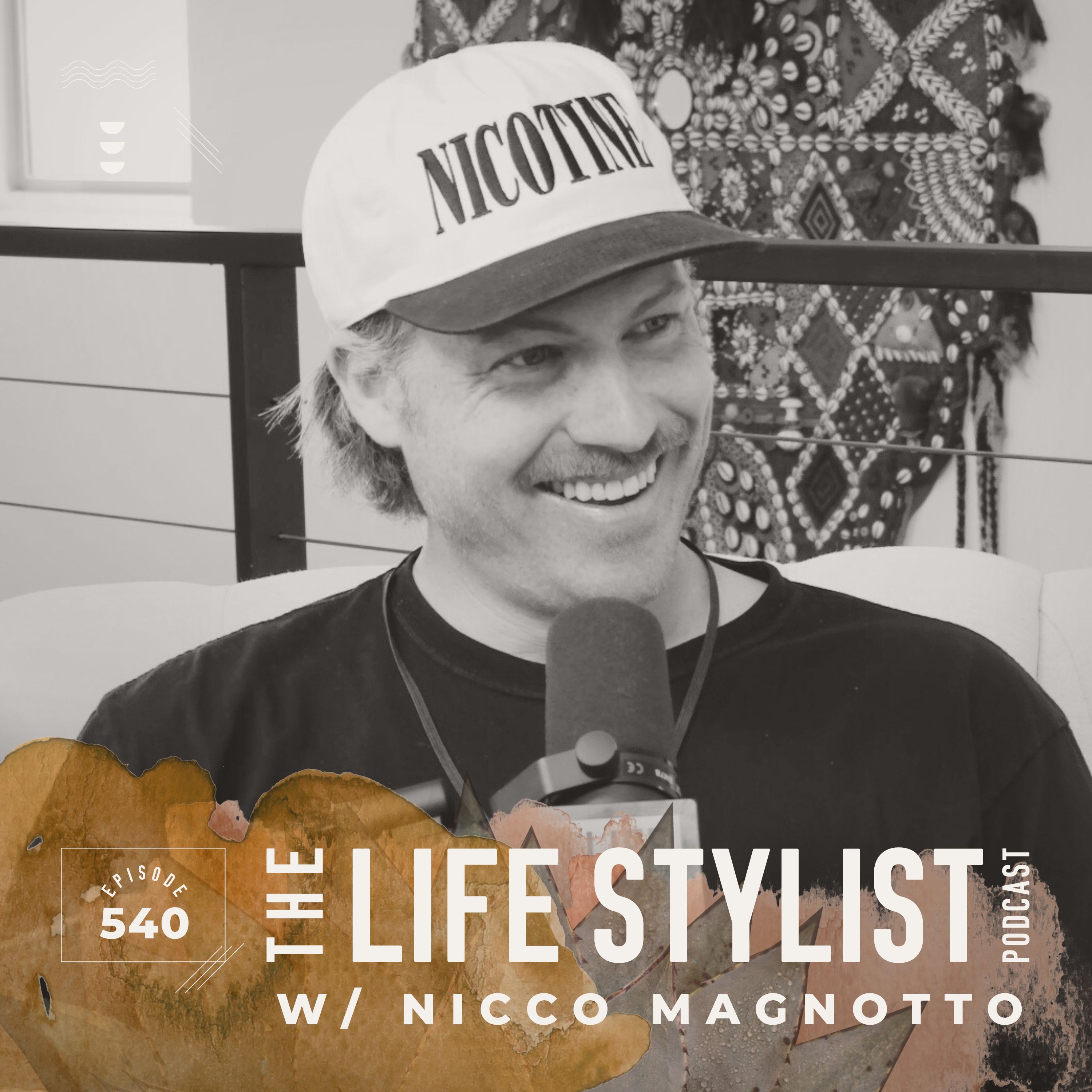
Luke Storey interviews Nicco Magnotto, founder of NickNack, a clean tobacco-free nicotine lozenge company, about nicotine's underappreciated role as a cognitive enhancer. Magnotto, a former electrical engineer turned health entrepreneur, explains how he discovered nicotine's nootropic properties after a personal health journey driven by debilitating migraines. The conversation covers the critical distinction between nicotine as an isolated compound and the harmful delivery systems like cigarettes and vapes. The discussion dives deep into nicotine's mechanisms of action, including its effects on the cholinergic acetylcholine pathway, its potential to reduce inflammatory cytokines, and a fascinating mouse study showing low-dose nicotine may promote NAD+ homeostasis through the NAMPT enzyme pathway, potentially positioning nicotine as an anti-aging compound. They also explore nicotine's promising role in long COVID recovery, where it may outcompete spike proteins on ACE2 receptors. Magnotto details the formulation philosophy behind NickNack, explaining why they use synthetic tobacco-free nicotine, xylitol instead of harsh pH adjusters like sodium carbonate, and real essential oils rather than artificial sweeteners and flavors. The episode provides practical dosing guidance, noting that 3-6mg lozenges provide a slow absorption that favors acetylcholine over dopamine response, potentially making it less addictive than fast-delivery methods.
Key Points
- Nicotine as an isolated compound is not classified as a carcinogen by the WHO or U.S. Surgeon General; the dangers of smoking come from tar, combustion byproducts, pesticides, and additives
- Low-dose nicotine in mice created NAD+ homeostasis through the NAMPT enzyme, leading to better ATP production, less inflammation, reduced cancer risk, and prevention of aging symptoms
- Nicotine binds to nicotinic acetylcholine receptors, stimulating the release of dopamine, norepinephrine, and serotonin, which enhances focus, memory, and mood
- Cigarettes deliver roughly 2-5mg of absorbed nicotine despite containing up to 15mg, and modern cigarettes contain flame retardants, undisclosed additives, and pyrazines designed to increase addiction
- Slower nicotine absorption through oral delivery biases neurotransmitter response toward acetylcholine rather than dopamine, which may make it less addictive than smoking or vaping
- Nicotine has a relatively short half-life of 30 minutes to 2 hours depending on individual metabolism, much shorter than caffeine's 5-6 hours
- Preliminary evidence suggests nicotine may help with long COVID by outcompeting spike proteins on ACE2 receptors, with some anecdotal reports of symptom resolution within hours to days
- Nicotine shows immunomodulatory effects by reducing cytokines, with potential benefits for conditions like ulcerative colitis, Crohn's disease, and MS
Key Moments
Nicotine may promote NAD+ homeostasis and anti-aging
Magnotto describes a mouse study finding that low-dose nicotine acts as a signaling molecule for the NAMPT enzyme, creating NAD+ homeostasis that led to better ATP production, less inflammation, reduced cancer likelihood, and prevention of aging symptoms. He calls nicotine an unexpected anti-aging compound.
"they found that low-dose nicotine created NAD plus homeostasis. So it basically, you know, if you're familiar with the concept of like reductive stress"
Nicotine's potential role in long COVID recovery
Magnotto explains preliminary evidence suggesting nicotine may help with long COVID by outcompeting spike proteins on ACE2 receptors. In one small study, five people with long COVID symptoms including fatigue and loss of smell saw complete resolution within hours to days of using nicotine.
"And they found people that were suffering from the fatigue, you know, loss of smell, all this stuff. And they gave them nicotine. And they found within, at least for those five people, within hours to within a few days, all of them, the lung COVID is gone."
Slower absorption favors acetylcholine over dopamine
Magnotto explains that slower nicotine absorption through oral delivery biases neurotransmitter response toward acetylcholine rather than dopamine, which is the nootropic pathway. This slower delivery may also make the product less addictive compared to fast-hit methods like smoking or vaping.
"And so, that's why people love the really quick hit, the really fast absorption. You're getting more of a dopamine response and less of the acetylcholine response. And so, with the slower absorption rate, you're actually biasing those neurotransmitters towards the acetylcholine side, which also hypothetically could make it less addictive."
Nicotine reduces inflammatory cytokines and may help autoimmune conditions
The discussion covers nicotine's immunomodulatory effects, particularly its ability to reduce cytokines. People have reported good results using nicotine for ulcerative colitis, Crohn's disease, and MS by dampening the over-responsive immune environment.
"It seems that nicotine has the potential to really reduce cytokines, which is really cool. So there's definitely this immunomodulation that occurs."
Nicotine dosing and individual metabolism variability
Magnotto explains that a cigarette delivers only 2-5mg of absorbed nicotine despite containing up to 15mg. Nicotine half-life ranges from 30 minutes to 2 hours depending on individual metabolism, much shorter than caffeine's 5-6 hours, making it more manageable as a nootropic tool.
"So, some people metabolize nicotine really well, and they'll be on the lower end of the half-life. So, you know, it might be like a 30-minute half-life if you're like a super nicotine metabolizer. And then if you're not so good, it might be more like two hours, you know, which if you compare to caffeine is still really fast"