





Blood Flow Restriction Training
Episodes covering BFR / KAATSU — protocols, science, muscle growth, recovery, and expert discussions.
Using bands or cuffs to partially restrict blood flow during exercise, enabling muscle growth with lighter loads (20-40% 1RM)
Blood flow restriction training is one of the most well-researched methods for building muscle with light loads. Multiple meta-analyses confirm hypertrophy comparable to heavy lifting when done correctly. It's particularly valuable for rehabilitation, joint-friendly training, and maintaining muscle during travel or injury.
A legitimate training tool backed by strong science. Not a gimmick. Start with the standard protocol and inexpensive bands - upgrade to calibrated cuffs if you get serious about it.
Science & Mechanisms
Mechanisms:
- Metabolic stress accumulation (lactate, hydrogen ions) triggers anabolic signaling
- Cell swelling activates mTOR pathway independent of mechanical tension
- Fast-twitch fiber recruitment at low loads (normally requires heavy weight)
- Increased growth hormone and IGF-1 release (acute, though systemic effects debated)
- Reduced myostatin expression with consistent use
Key studies:
- Lixandrão et al. (2018): Meta-analysis showing BFR produces similar hypertrophy to high-load training
- Hughes et al. (2017): Systematic review of BFR for rehabilitation - effective post-ACL, post-surgical
- Loenneke et al. (2012): Comprehensive review of mechanisms behind BFR adaptations
- Patterson et al. (2019): Safety review - low risk of adverse events in healthy populations
- Centner et al. (2019): Meta-analysis on strength gains with BFR training
- Takarada et al. (2000): Early study showing acute hormonal responses to BFR
- Teixeira Filho et al. (2024): Meta-analysis showing aerobic BFR improves both strength and hypertrophy
- Perera et al. (2022): Comprehensive meta-analysis confirming benefits in healthy and clinical populations
- Davids et al. (2023): Narrative review of BFR mechanisms and applications for athletic development
Effect sizes:
- Hypertrophy: Comparable to heavy load training (Cohen's d ~0.8)
- Strength: Moderate effect, less than heavy training for maximal strength
- Rehabilitation: Large effects on muscle preservation post-injury
Limitations:
- Optimal pressure individualized (percentage of arterial occlusion)
- Protocol adherence matters more than with traditional training
- Less effective for maximal strength vs. heavy lifting
Episodes
‘Dr. Jeremy Loenneke, Associate Professor of Exercise Science at the University of Mississippi, joins the show to break down the science of blood flow restriction training. He e...
Dr. Jeremy Loenneke discusses the science and practical application of blood flow restriction training for general health and longevity. He explains that BFR at 20-30% of 1RM pr...
Ben Greenfield hosts Steven Munatones (CEO of KAATSU Global) and John Doolittle (former Navy SEAL) for a deep dive into KAATSU blood flow restriction training. The episode disti...
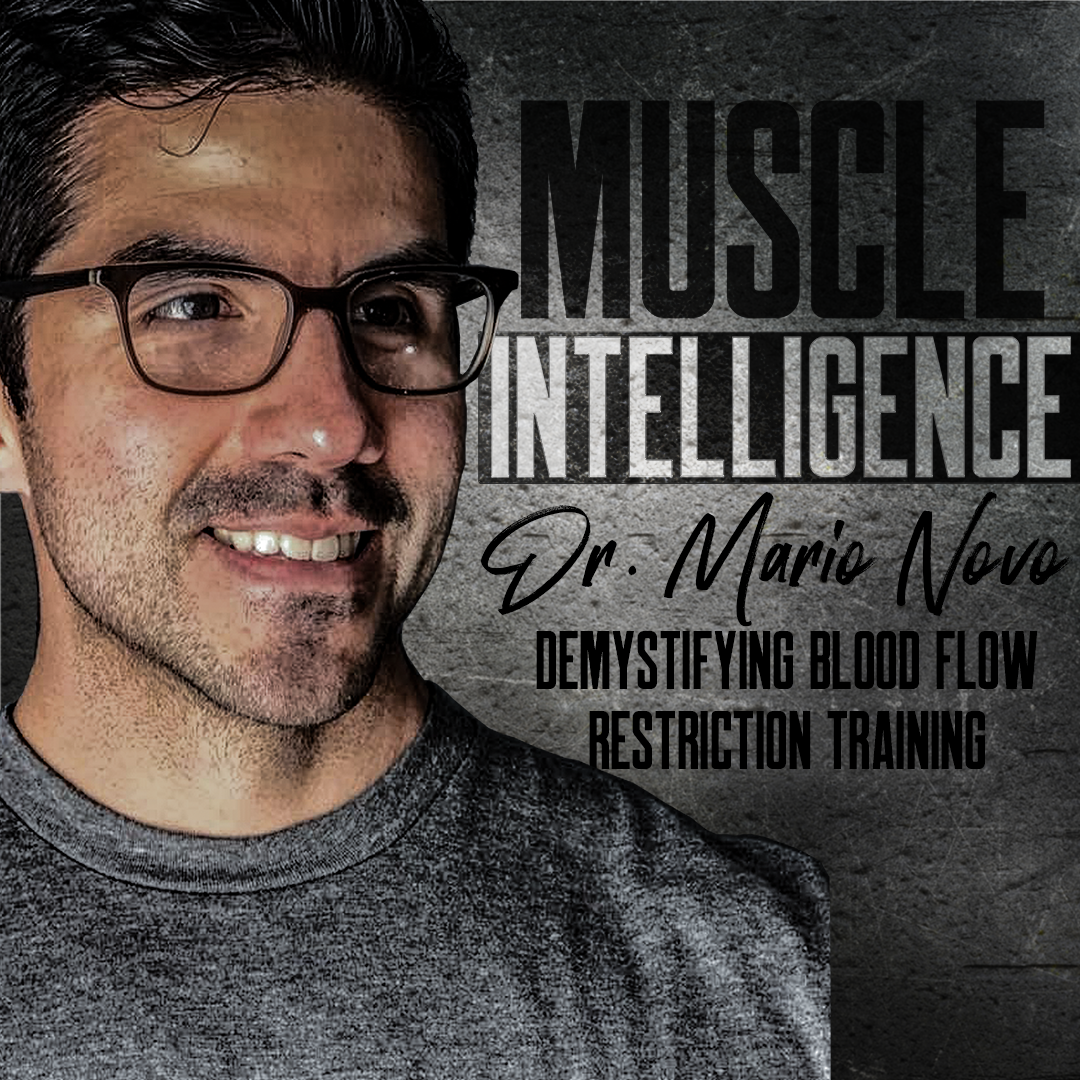
Dr. Mario Novo of The BFR Pros explains the deep mechanisms behind blood flow restriction training, going well beyond basic hypertrophy. He describes how hypoxia during BFR driv...
Steven Munatones, CEO of KAATSU Global, returns for a deeper conversation on blood flow restriction protocols and therapeutic applications. The episode emphasizes KAATSU's disti...
Eric Helms, Alberto Nunez, and other 3D Muscle Journey coaches discuss the value of gamifying bodybuilding training to maintain long-term enjoyment and adherence. They cover how...

Dr. Mike T. Nelson interviews Dr. Jeremy Loenneke, a leading BFR researcher at the University of Mississippi, about the science and practical application of blood flow restricti...

Dr. Stephanie Estima interviews Steven Munatones, co-founder of Kaatsu Global, about the original BFR system and its broad applications. Munatones explains how Kaatsu bands use ...

Carl Lanore interviews Dr. Jim Stray-Gundersen about the science behind blood flow restriction training and the B-Strong elastic BFR system. They discuss the critical difference...

‘Mike Matthews delivers a thorough, evidence-based breakdown of blood flow restriction training, cutting through both the hype and the skepticism. He explains the three mechanis...

‘Dr. Mike Zourdos, assistant professor of exercise science at Florida Atlantic University and co-creator of the MASS research review, breaks down a systematic review on blood fl...

Dr. Mercola interviews KAATSU Global co-founder Steven Munatones about why KAATSU is a game-changer for fitness and longevity. Munatones explains the key difference between KAAT...

Steven Munatones (CEO of KAATSU Global) and retired Navy SEAL Captain John Doolittle discuss how KAATSU differs from standard BFR and its wide-ranging applications from elite at...

Liz Wolfe of the Ideal Age podcast interviews KAATSU co-founder Steven Munatones about using blood flow optimization for anti-aging. They discuss how KAATSU bands engorge limbs ...

Physical therapist Dr. Zachary Long of The Barbell Physio explains the science behind blood flow restriction training, its origins in military rehabilitation, and practical appl...

Steven Munatones, CEO and co-founder of KAATSU Global, explains how KAATSU bands use gentle pneumatic compression to engorge limbs with blood, triggering natural hormonal respon...

Steven Munatones, CEO of KAATSU Global, joins Amber Shaw to explain how KAATSU blood flow restriction bands work and why they are particularly valuable for women over 40. He det...

Philip Pape delivers a comprehensive practical guide to BFR training for lifters, covering everything from equipment selection to programming. He explains why auto-inflating cuf...

Grant and Coach Brandon Heavey break down the science behind occlusion training (BFR) in their characteristically humorous style. Brandon explains how restricting venous blood f...

Brock Armstrong explains the science and practical application of occlusion (BFR) training, covering three mechanisms that drive its effectiveness: cell swelling that forces mus...