



Neurofeedback
Episodes covering neurofeedback — protocols, research, and expert discussions.
EEG-based brain training that uses real-time feedback to help you learn to regulate brainwave patterns, improving focus, reducing anxiety, and enhancing cognitive performance
Neurofeedback is essentially a gym workout for your brain - you're training specific neural circuits through operant conditioning. The research is strongest for ADHD (where it's now considered a Level 1 evidence-based treatment) and shows promise for anxiety, peak performance, and cognitive enhancement.
If you have ADHD, anxiety, or want to optimize cognitive performance, neurofeedback is worth exploring. Expect 20-40 sessions for meaningful results. Clinical protocols with a trained practitioner produce better outcomes than home devices, but home systems are improving. The investment is significant (time and money), but effects appear to be lasting once established.
Science & Mechanisms
Mechanisms:
- Operant conditioning of brainwave patterns through real-time EEG feedback
- Training specific frequency bands (theta, alpha, beta, SMR) at targeted brain regions
- Neuroplasticity - repeated practice strengthens desired neural pathways
- Self-regulation learning generalizes beyond training sessions
- Changes in functional connectivity between brain regions
Key concepts:
- SMR (sensorimotor rhythm, 12-15 Hz) - associated with calm focus, reduced impulsivity
- Beta (15-20 Hz) - alertness, concentration, active problem-solving
- Alpha (8-12 Hz) - relaxed awareness, creativity, stress reduction
- Theta (4-8 Hz) - drowsiness when excessive, but important for learning/memory
- Protocol selection - different brainwave targets for different goals
Evidence base:
- Meta-analyses support efficacy for ADHD with medium-to-large effect sizes
- ADHD symptoms improve comparably to medication in some studies
- Anxiety and stress reduction well-documented across multiple protocols
- Peak performance benefits in athletes, musicians, executives
- Sleep improvement with specific protocols (SMR training)
- Effects persist at 6-12 month follow-up in ADHD studies
Limitations:
- Requires many sessions (20-40+) for lasting effects
- Response varies significantly between individuals
- Quality of practitioner/protocol matters enormously
- Home devices less studied than clinical systems
- Placebo-controlled studies methodologically challenging
Episodes
Dr David Spiegel joins Modern Wisdom to discuss hypnosis, brain hacking, & mental mastery. Key topics include sleep optimization techniques and their health impact; brain health...
Dave Asprey tries at-home ultrasound technology for brain enhancement. Discusses transcranial ultrasound, its potential benefits, and his personal experience with the technology.
Host William Curb interviews Sean Brock, a neurofeedback expert and owner of NeuroC Colorado, about how neurofeedback works and its applications for ADHD. Sean traces the histor...
BCBA and podcast host Liat interviews Julie Bucalos, a former special education teacher with a PhD in assistive technology who now runs a neurofeedback clinic. Julie explains ho...
Stacey Chillemi interviews Meg Stuppe, founder of Clarity Direct Neurofeedback and Los Angeles Neurofeedback Center, about how direct neurofeedback differs from traditional neur...
Amy Brown brings on her neurofeedback therapist Sherry Rowney, owner of Harmonize Brain Center and one of the most experienced LENS (Low Energy Neurofeedback System) therapists ...
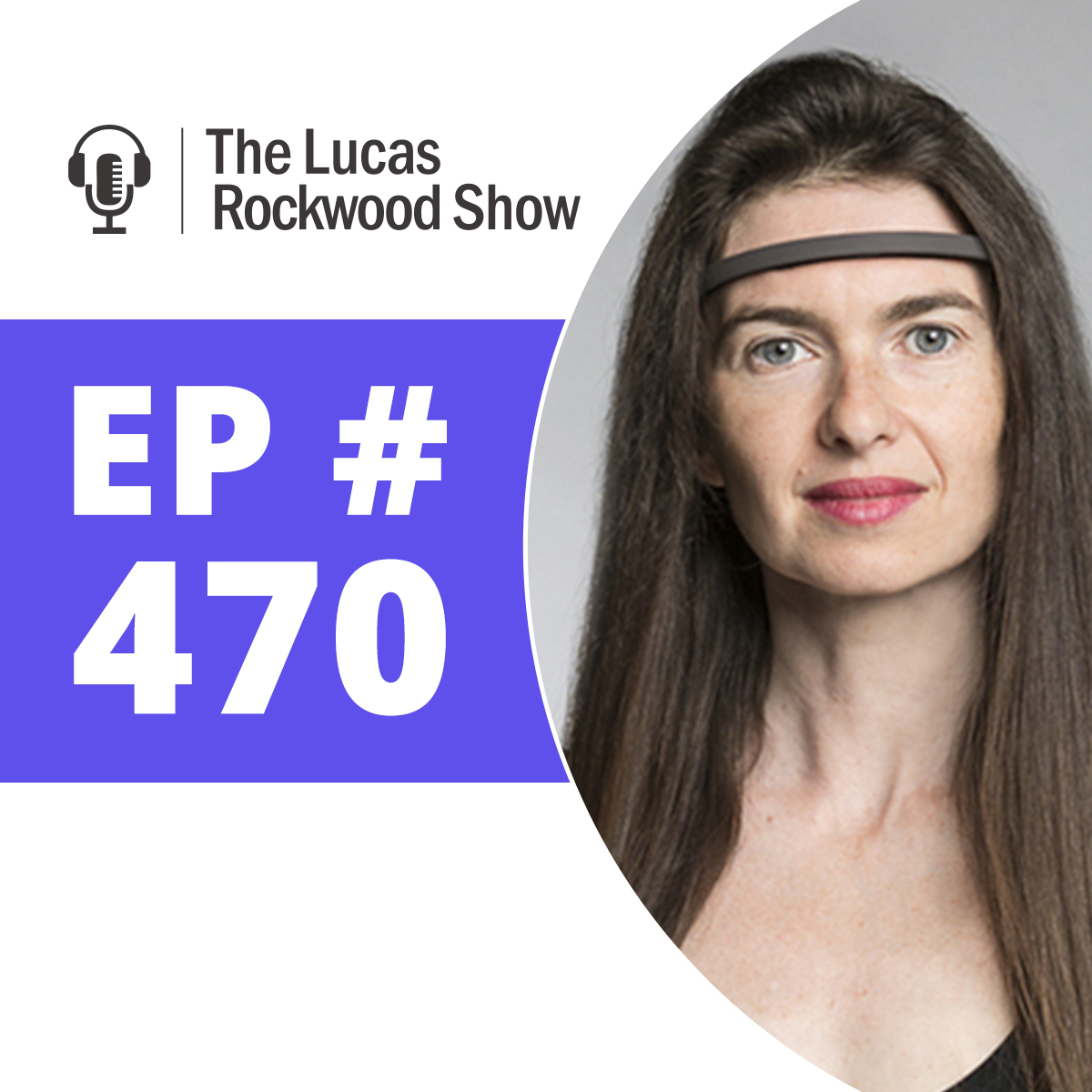
Neuroscientist and Muse co-founder Ariel Garten joins Lucas Rockwood to explain how consumer-grade EEG headbands can provide real-time neurofeedback during meditation. Garten de...

Dr. Dan Sickler hosts Dr. Andrew Hill, founder of Peak Brain Institute and PhD in cognitive neuroscience from UCLA, for a deep dive into neurofeedback as a performance and welln...

Dave Asprey interviews Tony Wrighton, a Sky Sports presenter, author of three books on NLP (neurolinguistic programming), and host of the Zestology podcast. The conversation cov...

Dr. Daniel Amen and Tana Amen welcome Dr. Gattis from their Costa Mesa clinic to discuss how neurofeedback can help with anxiety, depression, ADHD, and traumatic brain injury. D...